
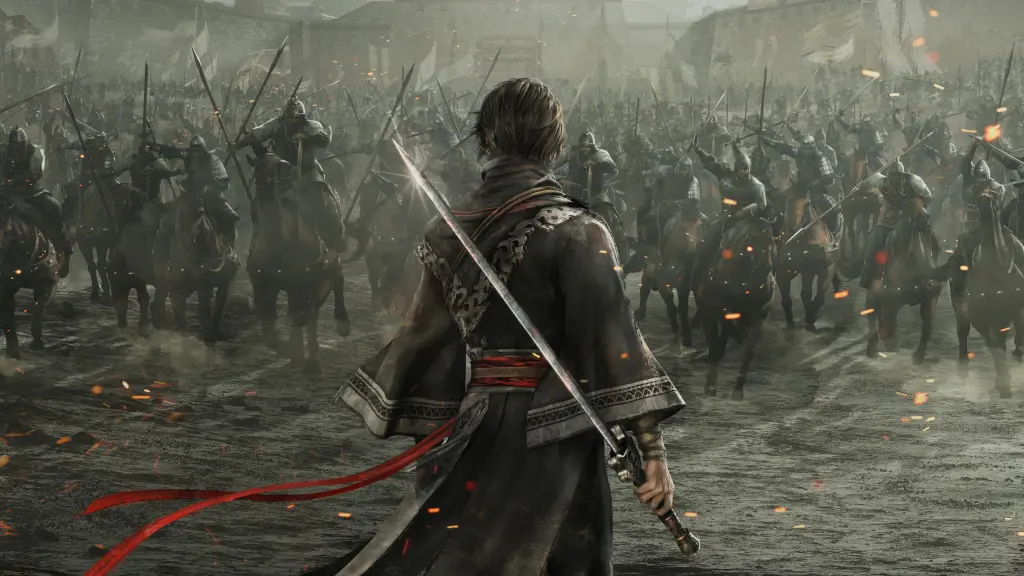
Dynasty Warriors Origins: The Incredible Step Forward for Musou Games
If you’ve been playing Musou games since Dynasty Warriors 2 or you only dipped in around Warriors Orochi, Dynasty Warriors: Origins feels like a breath of fresh air. It’s not just another entry — it’s an evolution of the genre.
Let’s break down exactly what changed, why it matters, and how this shifts the future of Musou games.
What Makes Origins Different (Quick Reality Check)
At its core, Dynasty Warriors: Origins is still a hack-and-slash title rooted in the Three Kingdoms era — waves of enemies, huge battles, lots of action. But the way it arrives at that moment has been redesigned.
Key shifts include:
- Combat Depth: You’re nitpicking enemy guard meters, parrying, dodging, and timing attacks instead of just button-mashing. That’s a real change from how series staples played.
- RPG Structure: Weapon variety and leveling matter in a way that feels like a modern action RPG. Skill trees, weapon proficiency, and progression all influence how you approach a fight rather than rinse-and-repeat combos.
- Narrative Twist: Instead of picking Shu/Wu/Wei from minute one, you follow a nameless hero navigating all three paths before choosing allegiances. That binds the story and combat more tightly than past entries.
This isn’t a minor polish — it’s a reframing of what Musou combat can feel like.
Origins vs Traditional Musou Gameplay
Traditionally, a Dynasty Warriors game put you on a battlefield with thousands of soldiers. You clear hordes, capture bases, and unlock victory through brute force — and that’s still part of the experience.
Here’s what Origins adds (and why it matters):
Meaningful Combat Mechanics
Older titles leaned heavily on character rosters and spectacle. Origins zeroes in on combat precision — parries and timing actually change battle outcomes. That matters if you want engagement over spectacle.
Strategic RPG Elements
Instead of just unlocking weapons because they exist, you level through weapon skills. That makes your choice of gear matter — something older Musou games rarely emphasized.
Tactical Army Behavior
Player actions now influence troop morale and battlefield flow. That slight layer of strategy means fights feel less like chaos and more like actual war.
If you’re a fan of combat games that reward mastery rather than repetition, Origins lands in a very different bracket.
Where Opinions Differ (And What We Recommend)
Not everyone thinks this reinvention is perfect.
Some reviewers loved it:
Critics and players on release pointed out the refined combat and fresh narrative
focus as major steps forward — even labeling it the best in the series in years.
But not everyone agrees:
A few outlets feel that Origins loses the old Musou charm — that addictive
simplicity fans grew up with isn’t as present.
Here’s the honest take:
If you want deep combat and progression, Origins is worth your time.
If you’re nostalgic for classic “hack thousands of foes with simple combos,”
you’ll
still enjoy it, but the focus is different now.
The Origins Decision Framework
Use this quick rubric to decide if Origins is right for you:
Origins Rubric
- 🔥 You enjoy weapon mastery and parries? → Yes
- âš”ï¸ You like strategic elements and RPG progression? → Yes
- 🌀 You play purely for chaotic action? → Maybe
- 📜 You care deeply about narrative context? → Yes
This helps you see whether Origins matches what you want out of a modern Musou game.
FAQ
It’s designed as a reimagining of the franchise’s core ideas, not a direct sequel to any numbered entry.
Yes — the core idea of fighting masses of enemies is still here, but combat feels more intentional than button spam.
Absolutely. Weapon proficiency, leveling, and tactical choices matter more than in past games.
Yes — you explore all three kingdoms before choosing who you align with, leading to different outcomes.
Many critics praised Origins as a good starting point even for those unfamiliar with Musou.
Conclusion: Why This Matters
Dynasty Warriors: Origins isn’t just the next entry in a long series — it’s the first game in a long time that feels like a true evolution of Musou design. Combat feels deeper, choices matter, and the narrative behaves more like a cohesive adventure instead of a historical backdrop.
For gamers and esports enthusiasts, Origins proves that the Musou genre can grow without losing its identity. It’s still warrior against armies, but now that war feels earned — not just repetitive.