
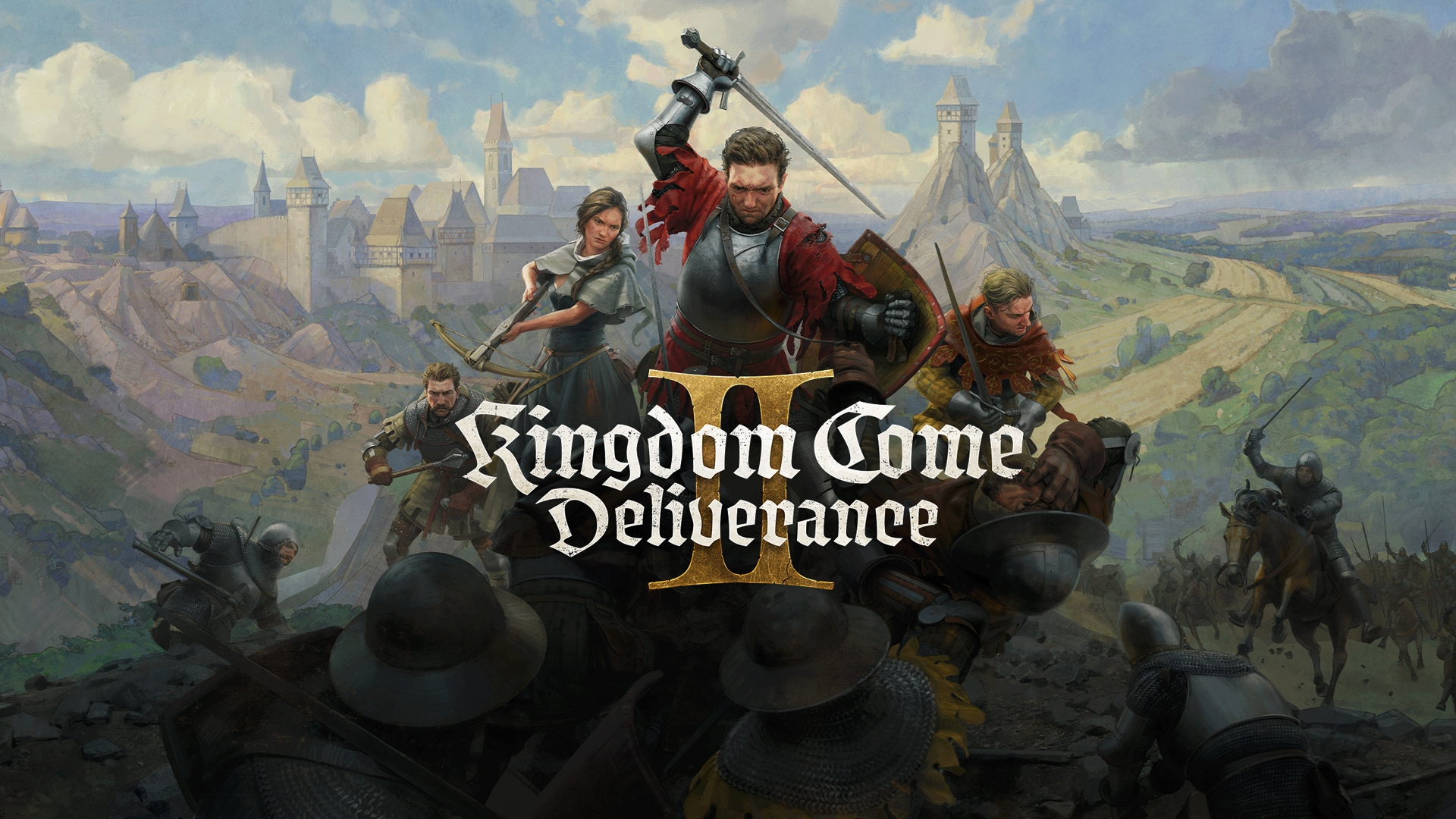
Kingdom Come: Deliverance II Review: Medieval RPG That Sparked Controversy
Intro
When a sequel follows a cult classic known for realism, expectations are intense. Kingdom Come: Deliverance II steps back into medieval Bohemia with a bigger world, deeper systems, and bold design choices — but not everyone agrees on whether those choices improve the experience. Let's break down what works, what doesn't, and why the game has stirred debate.
What the Sequel Tries to Do
Warhorse Studios has doubled down on historical immersion — realistic combat, grounded storytelling, and minimal fantasy elements. Like its predecessor, the sequel aims to simulate medieval life rather than deliver a power fantasy.
Early previews and developer commentary emphasize:
- Expanded open world
- More complex quest design
- Improved combat animations
- Greater narrative branching
This aligns with the studio's long-standing philosophy of "authentic medieval RPG."
Gameplay — Deep but Demanding
Combat remains skill-based, requiring timing, positioning, and patience. There's no instant gratification; progression feels earned.
Strengths
- Layered melee system that rewards practice
- Strong quest writing with meaningful choices
- Immersive world design with believable NPC routines
Weaknesses
- Steep learning curve
- Occasional pacing slowdowns
- Systems that may feel unforgiving for casual players
Many critics from outlets like PC Gamer and Eurogamer note that realism can sometimes conflict with accessibility — a recurring theme.
Why the Controversy?
1. Realism vs Fun Debate
Some players praise the commitment to historical accuracy, while others argue it creates friction. Discussions around save systems, combat difficulty, and survival mechanics have divided the community.
2. Performance Concerns
As with many large RPGs, early builds and previews raised concerns about optimization — though developers have indicated ongoing improvements.
3. Narrative Tone
The grounded storytelling approach avoids modern RPG tropes, which some players find refreshing and others find slow.
When sources disagree, the consensus leans toward this: if you enjoyed the first game's philosophy, the sequel builds meaningfully on it — but it's not designed for everyone.
Quick Comparison — Original vs Sequel
| Feature | KCD (Original) | KCD II |
|---|---|---|
| World size | Large | Larger, more detailed |
| Combat | Complex | Refined |
| Accessibility | Challenging | Still demanding |
| Narrative scope | Personal story | Broader political themes |
Original Framework: "Should You Play?" Decision Checklist
Ask yourself:
- Do you enjoy slow, simulation-style RPGs?
- Are you comfortable learning complex systems?
- Do you prefer realism over fantasy power trips?
- Can you tolerate occasional rough edges?
If most answers are yes, this game will likely resonate.
Common Mistakes New Players Make
- Expecting fast-paced action like mainstream RPGs
- Ignoring tutorials or combat practice
- Rushing through story without preparation
- Underestimating survival mechanics
Expert Tips
FAQ
Not especially — it rewards patience and learning.
Helpful for context, but not strictly required.
Debates center on realism, difficulty, and design philosophy.
Like the original, expect a long campaign depending on playstyle.
Developers aim for strong historical grounding based on research.
Conclusion — Next Step
If you're looking for a thoughtful RPG that values immersion over convenience, Kingdom Come: Deliverance II is worth watching — or diving into — with the right expectations. Check gameplay footage, read patch notes, and decide if its deliberate pace matches your taste.