
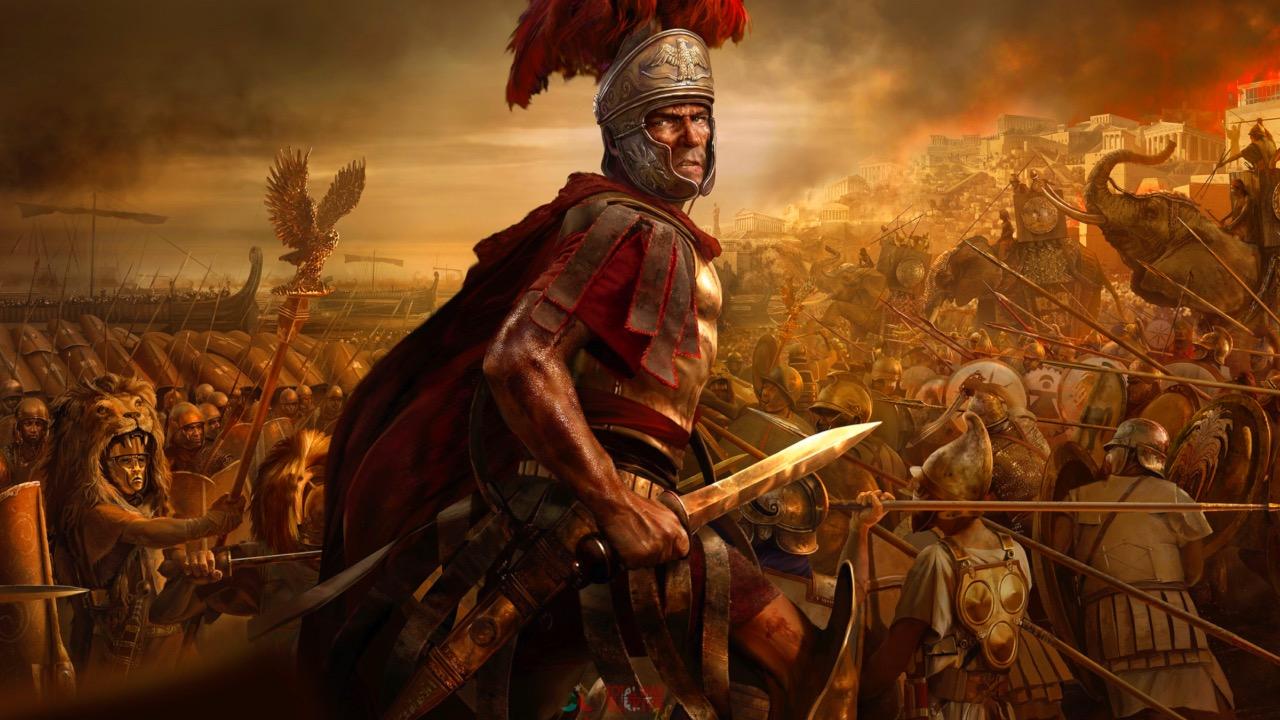
The Most On-Paper Impressive Historical Strategy Game of All Time
When gamers talk about historical strategy games, several titles come up: Civilization, Total War, and Age of Empires.
But if the question is which game is the most impressive purely on paper—in terms of historical scope, systems, and depth—one title stands above the rest:
Europa Universalis IV.
Released by Paradox Interactive in 2013, the game simulates nearly 400 years of world history (1444–1821). Players control a nation and guide it through diplomacy, warfare, trade, colonization, and political transformation.
What makes it remarkable isn't just scale. It's how many real-world systems the game tries to simulate.
Let's break down why it remains one of the most ambitious historical strategy games ever designed.
A Game That Simulates an Entire Era
Most strategy games simplify history into a handful of mechanics.
Europa Universalis IV takes the opposite approach.
It models several complex systems simultaneously:
- Global trade networks
- Religious conflicts
- Dynastic politics
- Colonial expansion
- Economic inflation
- Technological advancement
Each country starts with historically accurate conditions in 1444, including rulers, alliances, and political tensions.
This means every playthrough begins with a believable historical setup.
The Systems That Make It Stand Out
Diplomacy That Actually Matters
In many strategy games, diplomacy is secondary to warfare.
Not here.
Players must manage:
- alliances
- royal marriages
- coalitions
- trade agreements
Aggressive expansion can trigger large coalitions against you, forcing players to balance conquest with diplomacy.
This mechanic mirrors real historical power balancing in Europe.
The Trade System
One of the most impressive mechanics is the global trade network.
Trade flows through fixed routes that resemble historical trade patterns.
For example:
- Asian goods move toward Europe
- Colonial wealth flows back to European powers
Players can control key trade nodes to dominate global commerce.
This design reflects how maritime trade shaped global power during the early modern era.
Internal Politics and Stability
Managing an empire isn't just about expansion.
Players must control:
- national stability
- rebellions
- religious unrest
- economic pressure
A large empire can collapse from internal problems if poorly managed.
This adds a layer of realism often missing in strategy games.
A Quick Comparison with Other Strategy Games
| Game | Focus | Scale |
|---|---|---|
| Civilization VI | Turn-based empire building | Entire human history |
| Total War series | Tactical battles + strategy | Specific historical conflicts |
| Age of Empires IV | Real-time strategy | Medieval warfare |
| Europa Universalis IV | Grand strategy simulation | 1444–1821 world history |
The key difference is depth.
EU4 focuses less on battles and more on long-term geopolitical strategy.
Why Some Players Love It—and Others Don't
The same systems that make the game impressive also make it intimidating.
New players often struggle with:
- complex menus
- hundreds of mechanics
- long learning curve
Some critics argue Paradox games rely heavily on downloadable expansions.
However, supporters say the depth creates a historical sandbox unmatched in gaming.
How to Approach the Game as a New Player
If you're curious about trying it, start small.
Beginner-friendly nations
- Portugal
- Castile
- Ottomans
These nations offer strong starting positions and manageable challenges.
A Simple Strategy Framework for Beginners
Step 1: Stabilize your economy
Before expansion, ensure your
nation has stable income and low unrest.
Step 2: Build alliances
Strong alliances prevent early wars
and improve survival chances.
Step 3: Expand carefully
Avoid rapid expansion that triggers
coalitions.
Step 4: Control trade
Securing key trade nodes can
dramatically increase income.
Expert Tips
FAQ
Many players consider Europa Universalis IV among the most detailed historical simulations due to its diplomacy, trade, and political systems.
Yes. The game has a steep learning curve because of its many interconnected mechanics.
It is a grand strategy game where players control a nation across centuries of global history.
A full campaign can take dozens of hours, depending on player speed and goals.
Yes. Other Paradox titles include Crusader Kings III, Hearts of Iron IV, and Victoria 3.
Conclusion
Historical strategy games often promise realism, but few attempt to simulate the world at the scale of Europa Universalis IV.
Its systems—trade networks, diplomacy, religion, and empire management—create an experience closer to a historical simulation than a traditional strategy game.
It's not the easiest game to learn.
But on paper—and for players who love deep strategy—it remains one of the most ambitious historical strategy games ever created.