
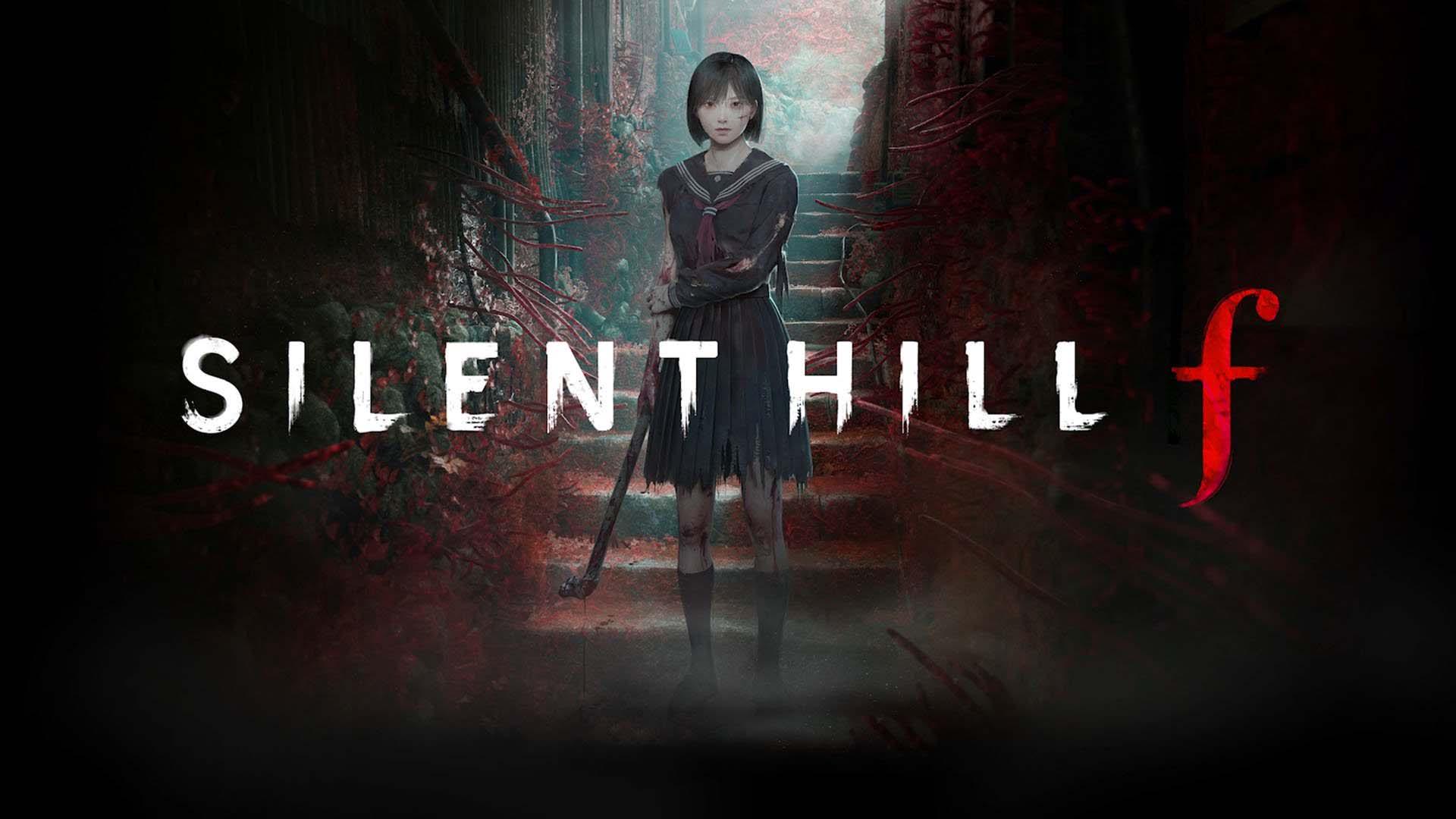
Why Silent Hill f Got More Awards Than Expected This Year
When Silent Hill f was first announced by Konami, reactions were mixed. The franchise had been dormant for years. Skepticism was understandable.
Yet this year, it secured more nominations and awards than many predicted across major industry platforms — including genre-specific horror awards and broader game recognition circuits.
So what changed?
Let's break it down.
The Context: A Franchise with Baggage
The Silent Hill brand carries weight. After the cancellation of Silent Hills (the Kojima-led project covered widely by outlets like IGN and GameSpot), trust in the series took a hit.
Konami's revival strategy — announced during the Silent Hill Transmission event — included multiple projects: a remake of Silent Hill 2, Silent Hill Townfall, and Silent Hill f.
Critics initially expected the remake to dominate attention. Instead, Silent Hill f carved its own lane.
1. A Bold Setting Shift
Unlike prior entries set in American towns, Silent Hill f moves to 1960s rural Japan. This wasn't cosmetic.
Industry analysis from Eurogamer and Polygon highlighted how the cultural shift deepened the horror tone rather than simply re-skinning the formula. Folklore-driven horror, decay imagery, and isolation themes resonated strongly with critics.
The involvement of writer Ryukishi07, known for psychologically layered horror storytelling, also raised narrative expectations.
This wasn't just another reboot. It was a tonal reset.
2. Psychological Horror > Jump Scare Design
Modern horror games often lean heavily on action or spectacle. According to commentary in Game Developer Magazine and PC Gamer reviews, Silent Hill f emphasized atmosphere over combat frequency.
That design choice aligned with what awards panels typically reward:
- Cohesive art direction
- Thematic depth
- Emotional tension over reflex testing
Some reviewers argued pacing was slower than mainstream horror titles. Others praised it as deliberate and faithful to survival horror roots.
The disagreement?
Action-focused reviewers found it restrained. Narrative-focused
critics saw it as mature.
Award bodies historically lean toward the latter.
3. Art Direction as Competitive Edge
Visual identity mattered.
Reports from Digital Foundry-style technical analyses emphasized environmental detail, lighting contrasts, and environmental decay effects.
Unlike photorealism-heavy competitors, Silent Hill f leaned into stylized rot and unsettling organic motifs. That distinction helped it stand out in art and audio design categories.
Awards often reward differentiation, not scale.
4. The Revival Effect
There's also timing.
Horror has seen a resurgence — from Resident Evil remakes to indie psychological titles. Silent Hill f arrived in a market ready for slower, mood-driven horror again.
Awards committees often respond to cultural momentum. Silent Hill f benefited from that shift.
The 4-Factor Awards Rubric
Here's a simple framework to evaluate why it overperformed:
| Factor | Strength in Silent Hill f | Awards Impact |
|---|---|---|
| Narrative Depth | High | Strong |
| Visual Identity | Distinctive | Strong |
| Franchise Legacy | Revived | Moderate |
| Gameplay Innovation | Conservative | Mixed |
Three out of four categories leaned positive. That's enough to surprise expectations.
Common Misreadings
- Assuming awards equal sales dominance
- Comparing it directly to Silent Hill 2 remake
- Expecting action-heavy horror pacing
Awards don't always reward commercial scale. They reward execution.
FAQ
It received recognition in multiple categories, particularly genre-focused awards.
They aim for different experiences. One revisits a classic; the other reinvents tone.
It reshaped the horror identity rather than repeating Western small-town themes.
No. It prioritizes atmosphere and psychological tension.
Even if you focus on esports, understanding award trends reveals where single-player design is evolving.
Conclusion
Silent Hill f didn't win because of nostalgia. It won because it made deliberate creative choices — and stuck to them.
It leaned into psychological horror, cultural specificity, and atmosphere when the genre was ready for it.
Next step: If you're analyzing horror trends or planning content around survival horror, watch where critics place their emphasis. That's where the industry is quietly shifting.